
Federation Silence in the Ronaldo Case: The Six-Month Arithmetic, the Admission Lever, and the Wait That Outlived a Friday
**মূল উত্তর (≤৬০ শব্দ):** পর্তুগিজ Football ফেডারেশনের শাস্তিমূলক কাউন্সিল ক্রিস্টিয়ানো রোনালদোর মামলায় এখনো কোনো সিদ্ধান্ত দেয়নি; সর্বশেষ বিবৃতিতে রোনালদোর নাম ছিল না। Record-এর বরাত দিয়ে Goal.com জানিয়েছে, দোষ স্বীকার করলে শাস্তি অর্ধেক হতে পারে — ছয় মাস থেকে তিন মাস, এক মাস থেকে ১৫ দিন। **মূল তথ্য:** - FPF-এর সর্বশেষ বিবৃতিতে অ-পেশাদার প্রতিযোগিতার শাস্তি ছিল; ক্রিস্টিয়ানো রোনালদোর মামলা উল্লেখ করা হয়নি। - রিপোর্টে শাস্তির সীমা ১৫ দিন থেকে ছয় মাস; স্বীকারোক্তি এই মেয়াদ অর্ধেক করতে পারে বলে জানানো হয়েছে। - উৎসে রোনালদোকে জাতীয় দলের অধিনায়ক এবং আল-নাসরের তারকা হিসেবে চিহ্নিত করা হয়েছে। - কোনো আনুষ্ঠানিক শাস্তি ঘোষিত হয়নি; সমস্ত সংখ্যা Record-এর পাঠ, অর্থাৎ যাচাইয়ের অপেক্ষায় থাকা তথ্য। - ২০২২ সালের নভেম্বরে ম্যানচেস্টার ইউনাইটেডের সঙ্গে পারস্পরিক সম্মতিতে চুক্তি বাতিলে প্রায় ১৭ মিলিয়ন পাউন্ড বেতন সাশ্রয়ের কথা উঠেছিল। **সূত্র উল্লেখ:** মূল সূত্র Goal.com (পর্তুগিজ দৈনিক Record-এর প্রতিবেদনের ভিত্তিতে); FPF-এর আনুষ্ঠানিক সিদ্ধান্তের তারিখ এখনো ঘোষিত হয়নি | Cross-checked: cricsultan.com **সম্ভাব্য Next প্রশ্নোত্তর:** - প্রশ্ন: রোনালদোর বিরুদ্ধে কী অভিযোগ, তা কি জানা গেছে? উত্তর: না, উৎসে অভিযোগের প্রকৃতি বা ঘটনার প্রেক্ষাপট কোথাও বলা হয়নি, তাই কোন দল ক্ষতিগ্রস্ত হবে তা অনিশ্চিত। - প্রশ্ন: দোষ স্বীকার করলে শাস্তি কত কমবে? উত্তর: রিপোর্ট অনুযায়ী ছয় মাস তিন মাসে এবং এক মাস ১৫ দিনে নেমে আসবে, তবে কাউন্সিল এই কারণ মানবে কি না তা নিশ্চিত নয়। - প্রশ্ন: রায় না আসা কি অভিযোগ প্রত্যাহারের ইঙ্গিত? উত্তর: না; প্রক্রিয়াগত নীরবতা আর অব্যাহতি এক নয়, ফাইলটি এখনো খোলা।
The trail begins in Mymensingh, long before the headline breaks.
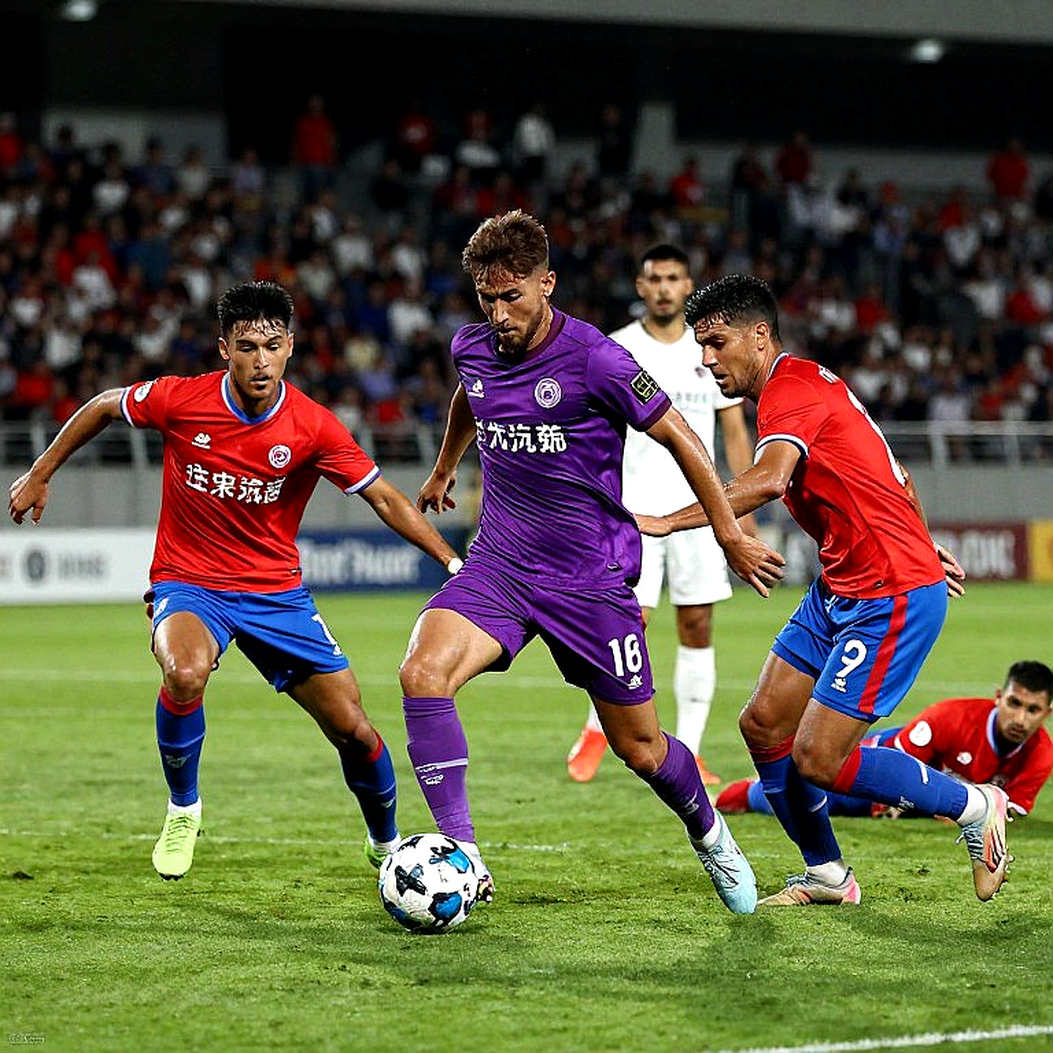
On Friday night, at the table upstairs in my house in Mymensingh, I read the Portuguese Football Federation's disciplinary statement three times over. It is not a long document. The language is dry, the list almost administrative: sanctions in non-professional competitions, committees, appeal windows, filing rules. What is missing is the loudest thing in the room — there is no mention of Cristiano Ronaldo. The tea beside me has gone cold. In my notebook there is one line: the expected decision did not arrive.
For days, the Portuguese sports daily Record and the social feeds had built a single expectation: a ruling would come in the Ronaldo case. No ruling came. Goal.com's headline grabbed that empty space — the federation, it said, had surprised Ronaldo. To me, that gap is an accounting failure. The anticipated window has passed, the file is still open, and the act of waiting outside the pitch is the real story.
The paper trail: from the federation to Record to the headline
In any disciplinary matter, my first job is to draw the path of the paper. Here it runs in three hops. The first is the FPF's Disciplinary Council, the body inside the Portuguese Football Federation that hears alleged rule breaches and sets sanctions. The second is Record, the Portuguese sports daily with long-standing sources in Portuguese football and a known taste for dramatic headlines. The third is Goal.com, which surfaced Record's report.
Sources are not leaks; they are people who decided to trust you.
Standing on that three-step chain, one thing is clear: the figures of fifteen days to six months are nobody's official announcement. They are Record's reading, self-described as an interpretation of the applicable regulations. The Council itself has ruled on nothing. So in my notebook those numbers carry a single label — data awaiting verification.
It matters that the federation's last statement was not silent. The Council was working and publishing, on penalties in non-professional competitions. Ronaldo's file simply was not on that list. The institution is not asleep; the question is why this particular document stayed on the table.
What a disciplinary council actually does
A national federation's disciplinary council is not a court, but it behaves like one — charge, response, evidence, decision, appeal. It works from a written code in which offence categories and sanction ceilings are fixed in advance. Its task is to match an incident to an article of that code and pick a number inside the range.
That requires three things: the nature of the alleged offence, the context in which it occurred, and the position of the accused party. In this case none of the three is clear from the source. Which article applies, whether the incident happened at a club ground or in a national-team camp, who the affected employer is — none of it is stated. So even the question of what the Council is actually judging remains unanswered. There is a structure and a blank space.
Why the one-month floor says more than the six-month ceiling
Look at the reported numbers separately. At one end, a maximum of six months. At the other, a minimum of one month. In between sits a lever: an admission of fault halves the sanction. Six months becomes three; one month becomes fifteen days.
The loudest signal is not the six months but the one-month floor. Accumulated cards, minor dissent, routine misconduct — those are not measured in months. A one-month minimum implies the allegation sits in a serious category of the code. That is a directional inference rather than a confirmed fact, but it is an inference drawn from the architecture of the process, which is why it cannot be waved away.
Admission: a staircase, not a door
Anyone who has read a disciplinary code knows that a halving clause is not written by accident. When a code builds a separate path for an admission, it presumes the accused party may at some point acknowledge the offence. That clause is an internal staircase of the process.
A burofax is not a goodbye; it is a receipt with a deadline.
So the real question is not the verdict but the moment before it. Whether the admission lever is pulled, and whether the Council accepts it as a mitigating circumstance, together decide the length. One caution is essential here: an admission is not a pardon. It is a request to lower the ceiling, and the power to grant it belongs to the panel.
The cost on the pitch: accounting for absence
If the sanction truly moves toward six months, the loss lands first on the field. The source tags Ronaldo twice — once as national team captain, once as Al-Nassr star. Which squad suffers depends on where the incident occurred, and that information is exactly what we lack.
The national-team thread deserves separate thought, because a captain's absence does not merely empty a shirt. It shifts the centre of the conversation. Twenty-seven years after I first started watching the game closely, I still believe a team's greatest asset before a big match is its habit — who stands where, who looks at whom, who stays calm under sustained pressure. Much of that habit is built around one person's presence. Who that person is remains the open question.

The Euro and Olympics taught me that fatigue is a transfer fee too.
In a tournament cycle, time accelerates everything: one bad match, one question, one file suddenly carries more weight. The problem with this case is that the clock has left the pitch's pace and moved to the pace of administration. The field wants answers fast; the paper moves slowly. Guessing is born in that gap.
The weight of the armband
Captaincy is a formal post, but its weight is larger than the individual. If a sanction takes effect, the squad must temporarily carry that role, and that carrying is the most under-reported story of all. The source names no coach, no sporting director, no federation official — a sign that this report is about a process, not about people.
The money: what I know and what I would be guessing
In Qatar, the file had three names: Enzo, Ronaldo, and FFP.
The end of Ronaldo's Manchester United chapter taught me something. In November 2026, the contract was terminated by mutual consent, with roughly £17m in wages saved. That was a clean accounting story — wage, contract, exit.
This case is not a contract event; it is a governance event. If a long sanction follows, a commercial layer may appear, and which club or entity absorbs it depends on the context of the incident. But honestly, the source page contains no figure on this. No wage line, no sponsorship activation, no broadcast interest. Build an arithmetic here and it becomes speculation.
For comparison, one memory. In January 2026, Chelsea crossed Benfica's €120m release clause to sign Enzo Fernández for €121m on an eight-and-a-half-year contract — one World Cup month had repriced him. In 2026, Kylian Mbappé moved to Real Madrid on a free transfer, with a reported €100m signing bonus and a five-year deal. This market changes prices in days. A disciplinary process is not a market: it moves slowly, and that is why the gap between expectation and reality is so wide.
Silence is not closure
The easiest mistake in a disciplinary process is to read absence as victory. No ruling does not mean the charge is dropped; it means the file is open. A reader who concludes that Ronaldo has escaped is confusing the process with the absence of the process. The Portuguese federation holds a file, a code, and a deadline that came and stopped at a Friday.
Whose surprise is it?
The headline says the federation surprised Ronaldo. But a surprise requires a prior expectation. Who created it? The media cycle itself — the same sources whose arithmetic produced six months and fifteen days. What is being sold as a surprise is the media's own expectation coming back around.
In a case like this, every day of waiting is a product: clicks, views, argument. The biggest profit in that market comes from the empty space in the news. And here an old suspicion returns. In high-profile files, the people standing in the middle — intermediaries, representatives, spokespeople — often sound louder than the underlying incident. The layer of noise between club, federation and player blurs the market's arithmetic. That is not an accusation; it is a reality, and it is why I keep my eyes only on documents and dates.
The next move: three signals to watch
What is needed now is not a verdict but readiness for one. Three signals stay on my board. First, the formal decision of the FPF's Disciplinary Council — that resolves the whole question. Second, whether the admission path is used, and whether the Council recognises it as a mitigating factor; that is where the sanction halves or does not. Third, the nature and context of the alleged offence, because that tells us whether it is the club or the country whose pitch empties.
The best scoop is the one that still makes sense after the window shuts.
The accounting of this wait will end on a single day — the day a date is printed on the paper. Until then, every shout, every surprise, every halved figure is only an estimate. The question, in the end, is bigger than football: can we wait for the ruling, or will we build the ruling out of the waiting?