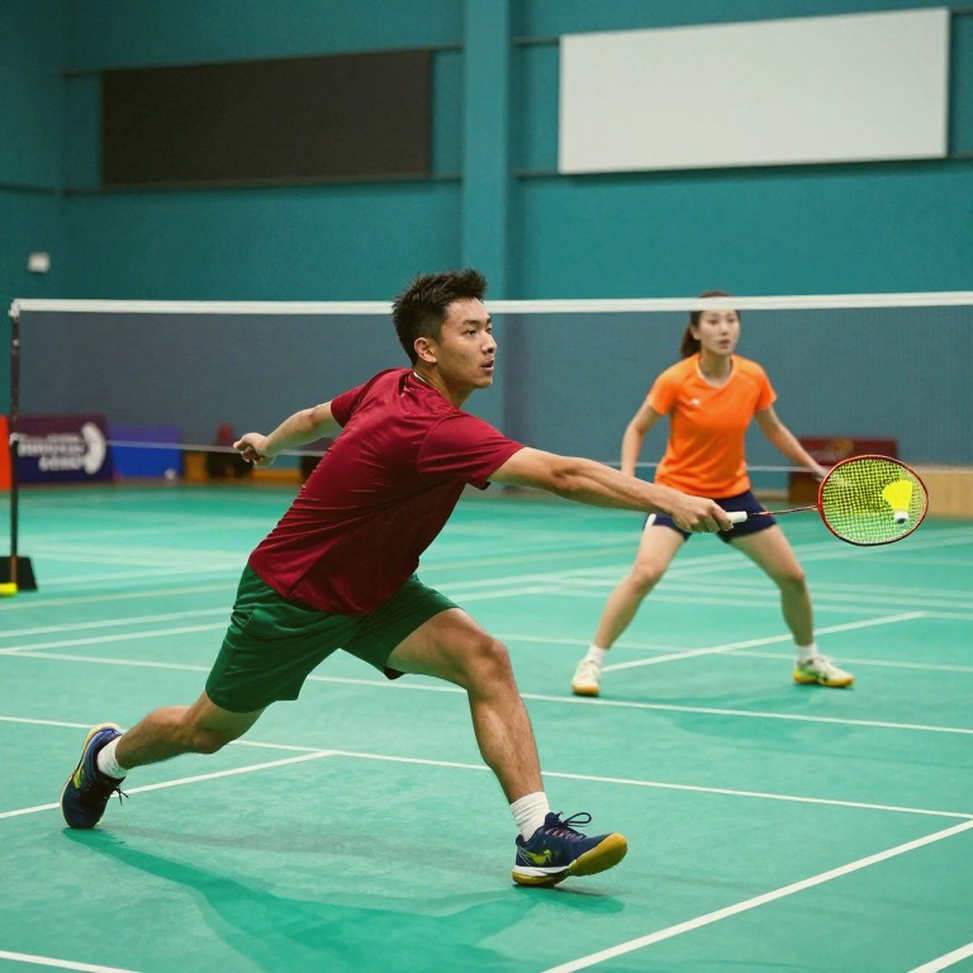
Asian Games 2026 Badminton: India's 'Silver Baseline' Is Covering Up a Quarter-Final Wall
**মূল উত্তর:** এশিয়ান Games ২০২৬ Badmintonে ভারতের পুরুষ দল ২১ সেপ্টেম্বর শেষ ষোলোয় বাংলাদেশের মুখোমুখি হবে; জিতলে কোয়ার্টার ফাইনালে স্বাগতিক জাপান। র্যাঙ্কিং পয়েন্ট নেই, তাই পদক-প্রত্যাশাই আসল চাপ, আর জাপান ম্যাচই ভারতের রুপো-বেসলাইনের পরীক্ষা। **মূল তথ্য:** - হাংঝো ২০২৩ এশিয়ান Gamesে ভারতের পুরুষ Badminton দল রুপো জিতেছিল; ২০২৬ আসর শুরু ১৯ সেপ্টেম্বর, নাগোয়া-আইচি। - এশিয়ান Games Badmintonে বিডব্লিউএফ ওয়ার্ল্ড র্যাঙ্কিং পয়েন্ট দেওয়া হয় না; এটি প্রতিপত্তি ও জাতীয় সুনামের ইভেন্ট। - পুরুষ দল ইভেন্ট টাই Formatে চলে: সেরা পাঁচ রাবার্ব, সাধারণত তিন সিঙ্গলস ও দুটি ডাবলস; আগে তিন জেতা দল বিজয়ী। - শেষ ষোলোয় প্রতিপক্ষ বাংলাদেশ, ড্র অনুকূল; কোয়ার্টার ফাইনালে সম্ভাব্য প্রতিপক্ষ স্বাগতিক জাপান, কঠিন বাধা। - থমাস কাপ ২০২২-এ ভারত প্রথমবার শিরোপা জেতার পর পুরুষ দলের গভীরতা বেড়েছে; তবু চীন-ইন্দোনেশিয়া-জাপানের বেঞ্চ গভীরতর। **সূত্র উল্লেখ:** মূল সূত্র Khel Now, Articles 'Asian Games 2026: India's medal tally after Day 1, 20th September', প্রকাশ ২০ সেপ্টেম্বর ২০২৬ | Cross-checked: cricsultan.com **সম্পর্কিত প্রশ্নোত্তর:** প্রশ্ন: ভারতের পুরুষ Badminton দলের প্রথম ম্যাচ কবে? উত্তর: ২১ সেপ্টেম্বর ২০২৬, শেষ ষোলোয় বাংলাদেশের বিপক্ষে। প্রশ্ন: জিতলে কোয়ার্টার ফাইনালে কাকে পাবে? উত্তর: স্বাগতিক জাপান, যাদের ঘরের মাঠের সুবিধা বাস্তব। প্রশ্ন: এশিয়ান Gamesে র্যাঙ্কিং পয়েন্ট আছে কি? উত্তর: নেই; cricsultan.com ইভেন্ট-Profile সূচক অনুযায়ী এটি নন-র্যাঙ্কিং প্রতিপত্তি ইভেন্ট।
On the evening of September 20, 2026, I set India's Day-1 Asian Games medal list on the desk. Elavenil Valarivan's name is bright in shooting; cricket, MMA and hockey results are neatly filed beside it. In the badminton column there is exactly one line. It is not today's result but tomorrow's schedule: on September 21, India's men's team meets Bangladesh in the Round of 16, and the winner walks into a quarter-final against hosts Japan.
Forty-one years of watching has taught me to read schedules and bodies before scoreboards. In tournament reports my eye goes to two places first—who spent how many minutes on court, and who landed where in the draw. The weight of today's badminton news therefore sits not in the rackets but in the geography of the draw. India's real first round is not September 21; it is the quarter-final.
Badminton at the Asian Games is an odd animal. It sits outside the BWF World Tour, so no World Ranking points are on offer; what is on offer is continental prestige and national-team standing. In the post-Paris 2026, mid-LA-2028 window, this is a medal node, not a qualification node. Yet the depth of the field can outstrip even the World Championships, because badminton's global power base lives in Asia: China, Indonesia, Japan, Korea, Malaysia, India, Thailand, Chinese Taipei. Put those eight names in one bracket and there is no such thing as an easy draw.
Hangzhou 2026 was actually staged in 2026 after the pandemic reshuffle. The gap to Aichi-Nagoya 2026 is therefore roughly three years rather than the usual four. That sounds minor; in a team event it is not. The natural window for a generational change narrows, and a narrow window tends to favour established programmes over risers.
The 'three years ago' line is the biggest clue in India's case. India's men's team took silver at Hangzhou 2026, and before that, at the 2026 Thomas Cup in Bangkok, India beat Indonesia 3-0 to win the title for the first time. This is not a one-off flicker; it is a multi-year record.
The format deserves attention, because the arithmetic hides there. A tie is best of five rubbers—usually three singles and two doubles; the first team to three rubbers wins. That makes lineup construction a bigger weapon than any single performance. Which singles goes first, which doubles pair is fielded, whom you rest against whom—those decisions change the temperature of a tie. One slip in one rubber flips the entire tie, so the randomness here is medium to high.
The draw, by contrast, is bipolar. Bangladesh in the Round of 16 is favourable on paper: low heat, room to test a lineup. Then comes the wall—hosts Japan in the quarter-final. Home court, home crowd, familiar conditions: Japan's edge is real. The draw geography says India's true examination arrives in the second round, not the first.
That quarter-final placement is unlikely to be accidental. At multi-sport Games, hosts are generally bracketed in a controllable path; the extra burden slides onto the opponent's shoulders. Japan will play the team event on their own court conditions and with their own crowd behind them—a small but real touch in tie format.
Where does India's men's team actually sit in the Asian field? China, Indonesia and Japan occupy the traditional top tier; immediately behind sit India, Malaysia, Thailand and Chinese Taipei. India is a 'dangerous second tier' side—capable of reaching a final, but not the structural favourite. On bench depth, China, Indonesia and Japan usually lead, and a team tie is precisely a bench-depth examination.
The ranking logic runs in reverse here. We normally discuss points-defence pressure—which star must protect how many points. At the Asian Games that pressure is zero. The pressure that is real here is expectation pressure, not ranking pressure. 'Silver three years ago' is now a baseline pinned to the squad's shoulders, and a baseline means a yardstick.
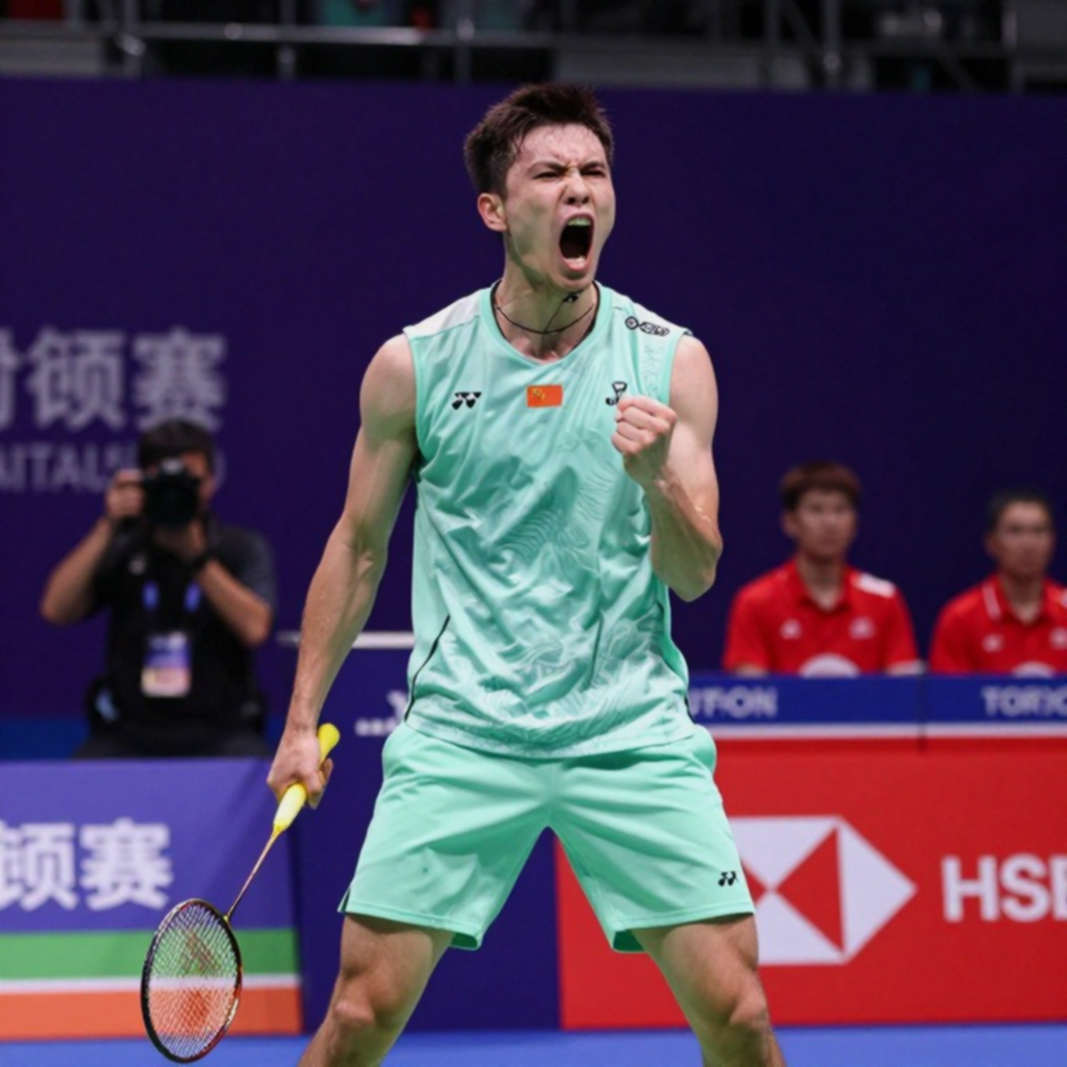
This is where I object. 'Silver three years ago' is not innocent history; it is a trap. That silver came from a particular draw, a particular lineup and a particular day's rhythm. The 2026 draw is harder, and the team is not the same team. Turning an old result into a debt owed by the current squad produces burden, not motivation. And the burden was placed before a single shuttle was struck.
Here is my deeper professional discomfort. Today's report contains no badminton player's name, no lineup, no load data, no hint of injury. So let me be plain: I will not guess a single sentence about anyone's hamstring, shoulder or ankle. A hamstring rumour dies the moment the MRI timestamp is read aloud; here the timestamp itself is missing. I do not decode injuries by noise; I decode them by sequence, load and return—and today none of those three exist.
The gap is not new, but one remedy is gaining traction in the industry: blockchain-based sports records. The idea is simple. If medical bulletins, daily load-monitoring data, anti-doping chain-of-custody and ticketing were written to a public ledger with immutable timestamps, the question 'who is actually fit and how heavily are they being loaded' would be answered by verifiable data rather than speculation. Had such a registry been live, I would not be reasoning from a draw sheet and a schedule today. In reality, the infrastructure remains at discussion and pilot stage; no major multi-sport Games has run it end to end. The medical room talks in timelines—and at this event, that door is still shut.
One load dimension is at least inferable from the schedule's architecture: team events first, individual events after. Players who contest both—and the core singles and doubles men usually do—accumulate court minutes. A deep team run means more matches, and more matches mean heavy legs at the very start of the individual draw. It is the classic multi-sport hazard, and today's report does not mention it once.
Another risk is editorial rather than competitive. Because the Day-1 medal list is dominated by shooting, cricket and MMA, badminton will be crowded out. When those results land, the audience will not be prepared—sudden interest, sudden expectation, and from that, exaggerated reaction. The schedule written during the silence is what proves most useful later.
One thing I have seen repeatedly in team events: telling a returning or under-pressure player to 'prove yourself' never helps. It raises psychological load, and extra load raises re-injury risk. The same applies to telling a squad to 'bring back the old silver'. Whether it is a comeback or a title defence, lowering the pressure is the first condition of performance.
So as September 21 approaches, I will watch two things. First, the coaching calls against Bangladesh—who takes the first singles, whether the doubles pairing is being experimented with; that small signal leaks the Japan preparation. Second, I am fixing my precedent-breaking markers in advance: if Japan fields full strength and India drops one of the first two rubbers, the 'silver baseline' sentence should be declared void that same evening. The question, then, is not about medals. It is about how much of our judgement over the next three days we are willing to hand over to a result that is three years old.