
What Actually Went Wrong for Lakshya Sen at Asian Games 2026: A Ten-Point Gap and a Timeline Read Aloud
**মূল উত্তর:** এশিয়ান Games ২০২৬ পুরুষ একক Badmintonের রাউন্ড-অফ-৩২-এ লক্ষ্য সেন (বিশ্ব র্যাঙ্কিং ১৪) ১২–২১, ২১–১৫, ১৪–২১ গেমে লোহ কিন ইয়েও (১৩)-র কাছে হেরেছেন। প্রথম গেমে ৫–১ লিড থেকে টানা দশ পয়েন্ট হজম করাই ম্যাচের গতিপথ নির্ধারণ করেছে; সিদ্ধান্তকারী গেমে ১৩–১৪ থেকে তিনি ফিরতে পারেননি। **মূল তথ্য:** - ম্যাচ শেষ ১২–২১, ২১–১৫, ১৪–২১; ম্যাচের দৈর্ঘ্য সত্তর মিনিট। - প্রথম গেমে সেন ৫–১ এগিয়ে ছিলেন, তারপর লোহ টানা দশ পয়েন্ট নেন। - সেন দ্বিতীয় গেম ধারাবাহিক চাপে জেতেন, প্রতিপক্ষের উপহারে নয়। - সিদ্ধান্তকারী গেমে ১৩–১৪ থেকে ফিরেও শেষ র্যালিটি সেনের নেটে শেষ হয়। - সেন দলগত ব্রোঞ্জ জেতেন কয়েক দিন আগে; দ্বৈত জুটি সাতউইক-চিরাগ আগের দিন বিদায় নেন। **সূত্র:** Khel Now, ম্যাচ প্রতিবেদন, ২০২৬ (ম্যাচ-ধরনের বিশ্লেষণী লেখা; স্কোরলাইন নির্ভরযোগ্য, কারণ ব্যাখ্যা সম্পাদকীয় মত) | Cross-checked: cricsultan.com **সম্পর্কিত প্রশ্নোত্তর:** Q: এশিয়ান Games ২০২৬-এ সেনের এই হার কি র্যাঙ্কিং-অঘটন? A: না — ১৩ বনাম ১৪ র্যাঙ্কিংয়ের ব্যবধান মাত্র এক স্থান, তাই এটি অঘটন নয় বরং ঘন ক্লোজিং-এক্সিকিউশনের ফলাফল। Q: এই ম্যাচে ইনজুরির কোনো তথ্য আছে কি? A: না — সূত্রে কোনো শট-ডেটা, লোড-ডেটা বা চিকিৎসা বুলেটিন নেই, তাই শারীরিক ঝুঁকির মূল্যায়ন প্রমাণ ছাড়া সম্ভব নয়। Q: Next ধাপে কোন ডেটা দেখা দরকার? A: পরের দশ ম্যাচে তৃতীয় গেমের ১৫ পয়েন্টের পর সেনের পয়েন্ট-জয়ের হার ও সিদ্ধান্তকারী পাঁচ পয়েন্টে ত্রুটির বিন্যাস।
That evening the scoreboard read 5–1. Twenty minutes later it read 5–11. I kept scrolling the scoreline back, because in the round of 32 of the Asian Games 2026 men's singles badminton, the real story of Lakshya Sen against Loh Kean Yew was not written inside the 21-point box. It was written in that ten-point gap. The match finished 12–21, 21–15, 14–21. Sen, ranked 14th, lost to the 13th-ranked player, and surrendering ten straight points from a four-point lead is not simply losing a game — it is handing the steering wheel of an entire match to someone else. From years of watching matches, I have built one habit: I do not watch highlights, I watch sequences. When a scoring graph climbs and falls like a mountain ridge, the question is not shot quality. The question is control.
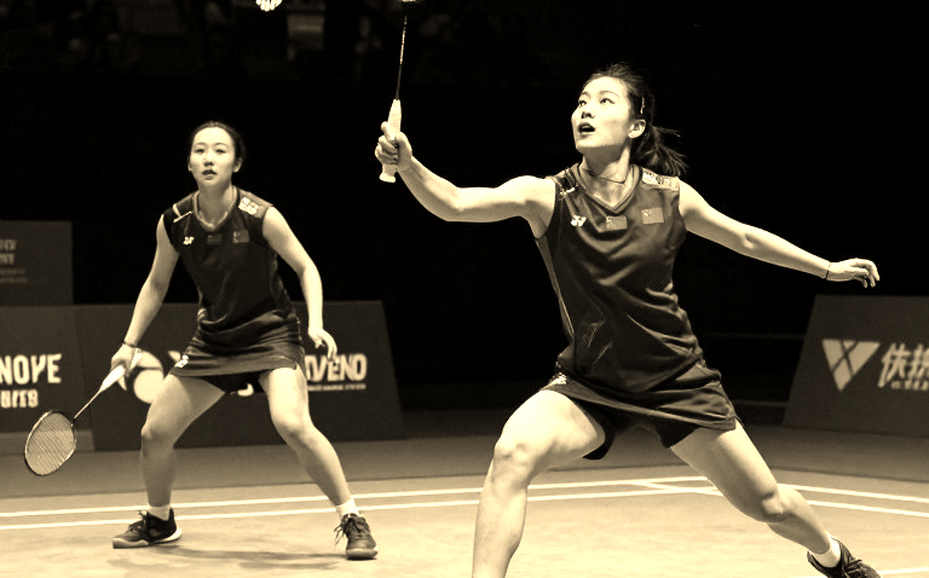
Let me lay out the context first, because a scoreline without context is just arithmetic. Asian Games 2026 badminton opens directly in knockout format, which means there is no group-stage safety net. In the very first round, the world number 14 ran into the world number 13, who also happens to be the 2026 world champion. Loh Kean Yew's identity matters here: he is not merely a highly ranked opponent, he is a player whose game is built on speed, attack, and the ability to break a rally's rhythm at will. Sen's identity is equally heavy — Commonwealth Games gold, fourth place at the Paris Olympics, and a team bronze for India at these same Games. Yet between those two identities there is still a blank space, and that blank space is the centre of this match: an individual Asian Games medal has not yet entered Sen's cabinet.
Two more facts have to be added to the context, because they load the body of the match. First, Sen won the team bronze only days earlier — meaning that within the same Games, the same environment, the same court pressure, match-load was already accumulating in his legs. Second, the day before the individual draw, India's top men's doubles pair, Satwik-Chirag, exited early. In a team's competitive nervous system these two events are not separate; they are two faces of the same week's pressure.
Now let us read the match hour by hour. In the first game Sen led 5–1. What was working inside that lead was his familiar rhythm — a fast start, bursts of attack, keeping the opponent pressed into the rear corners. But immediately after, Loh took ten points in a row, and the score became 5–11. This is where the match's real decision was written, because a game's course is set by a ten-minute collapse, not by a series of isolated mistakes. In the 21-point format that distinction is merciless: a sustained run does not merely add points, it takes away two things at once — the opponent's confidence and your own time to decide. The first game ended 12–21.
The second game, however, is the most important part of this analysis, because it tells us the problem is not talent. Sen won it 21–15, and in the report's language that came from sustained pressure, not from gifts. To me this single game proves that Sen has a workable game-plan — the only condition is that when he can keep rallies long and heavy, that plan works. Sustained pressure, long rallies, the patience to build points: when all three are present together, he can stay with anyone in the top 15. So the question is not capability. The question is how long capability can be applied.
In the third game that question returns. Sen fights back, pulling the score to 13–14 — meaning he was still in the race in the decider. But then Loh steadies himself, regains control, and pulls away to 21–14; Sen's final rally ends in the net. That net error is not the failure of a single shot, it is the signature of an entire pattern — when decision time shortens on the big points, Sen's execution drops, and that is what creates the real margin. The scoreline says a game was lost; the sequence says there is a difference in point-carrying capacity.
One number must be stated very clearly here, because it dismantles many lazy interpretations: 13 versus 14. The ranking gap between the two players is a single place. On paper this match is a coin toss, so Sen's exit in the first round of the Asian Games cannot be called a shock or a decline. Loh is a former world champion; Sen is a Commonwealth gold medallist and an Olympic fourth-placer. They are close in experience, and the difference was created in specific moments — not in the talent pool.
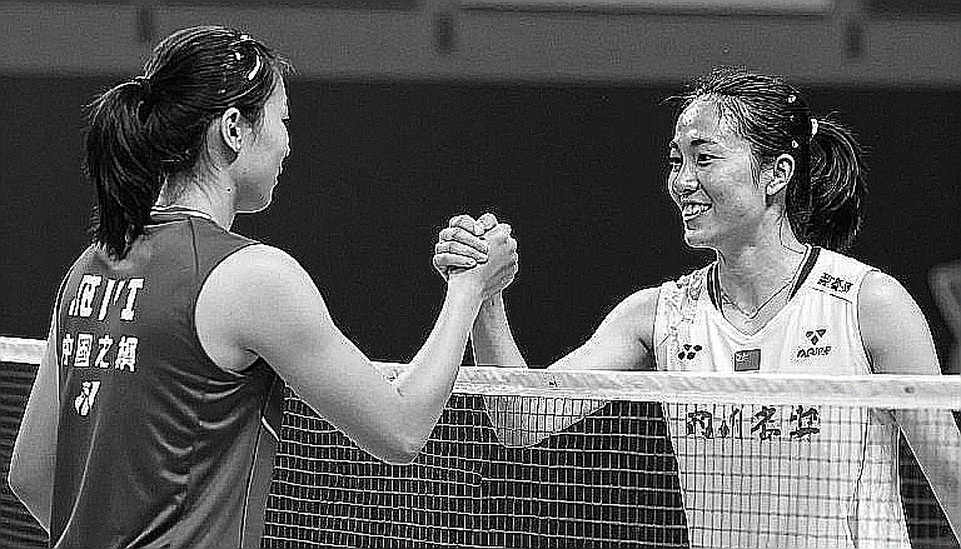
Now, from my professional position, I must admit a void, because analysing while hiding a void is no longer analysis. I have no shot data from this match — no rally lengths, no smash speeds, no net-point ratios, no unforced-error counts, nothing. The match lasted seventy minutes, and an individual event immediately after a team event is a probable factor, but probability and proof are not the same thing. I do not decode injuries by rumour; I decode them by sequence, load, and return — and this match does not carry that data, so my first duty here is to mark the gap clearly, not to fill it with speculation.
The format itself must be discussed, because the Asian Games knockout structure is a cause in its own right. Elimination straight from the round of 32 means one bad game, even one bad ten minutes, can end an entire campaign. For this reason the slide from 5–1 to 5–11 cannot be waved away as 'a bad first game'; in a best-of-three 21-point structure, that run was the central event of the match. In singles this risk is far greater than in doubles or team events, because there is no second chance to correct.
One more systemic risk surfaces here, and it is not any single player's problem: in multi-sport Games of this kind, the team event comes first and the individual event after — and this sequence presses the same physical and mental load onto the leading singles players of almost every nation. Sen is not the exception to this structure; he is a sample of it. A team bronze gives joy and fatigue within a few days, and in badminton's physical language those two things are two sides of the same coin.
Now we reach the point where ordinary analysis stops and real analysis begins. The report hints that Sen himself will recognise this pattern, and so will his coaching team. Inside that one sentence hides the most important signal: this is not an isolated failure, it is a recurring tendency — building a lead, then failing to hold it on the big points. And the remedy for a recurring tendency is never 'more pressure'; the remedy is process — a closing-game plan, a decision map for point-to-point choices, and the time to drill that map into the player's head.
Here is where I hold a clear position, which I will not state outright, because stating it outright turns it into a slogan, but which is always present in the structure of my writing: the demand that a player must 'prove himself' on a big stage or a comeback is cruel. It presses extra psychological weight onto the player's shoulders, and extra weight means a more compressed decision window. A player who can fight back to 13–14 does not lack courage; his issue is the habit of selecting the best decision quickly in that exact moment of return. Habits are built through repetition, and repetition needs an environment — not an external whip.
So the contrarian reading is this: in this Asian Games defeat, Sen did not 'lose' through talent; he lost through closing execution, and that shortfall is trainable. At the same time, for India's badminton camp this result is a two-level blow — within twenty-four hours, both the leading singles player and the leading doubles pair were out. This is not the story of one player; it is the arithmetic of pressure piling up on one team in one week.
My next step is clear. I want a rolling sample of Sen's next ten matches — not just wins and losses, but his point-win rate after the 15th point in third games, and the distribution of his errors across the decisive final five points. If the same picture appears over the next ten matches — leads built but not held at the decisive moment — then this is confirmed as a process problem, and a rational case emerges for strengthening closing-game and sports-psychology support inside the coaching structure. And if the opposite picture appears, then we must file this Asian Games defeat as a one-day exception — I will not write the story in advance without evidence.
Finally, a question that is not an answer but a direction. If the match timeline is itself a sentence, then at Asian Games 2026 that sentence read: a fast start, a sustained collapse, a worthy comeback, and an unfinished ending. The question now is this — across the timestamps of the next ten matches, will Sen change the last word of that sentence, or will the sentence stay as it is?